
Money matters the most, but hope of career change also drives the trend
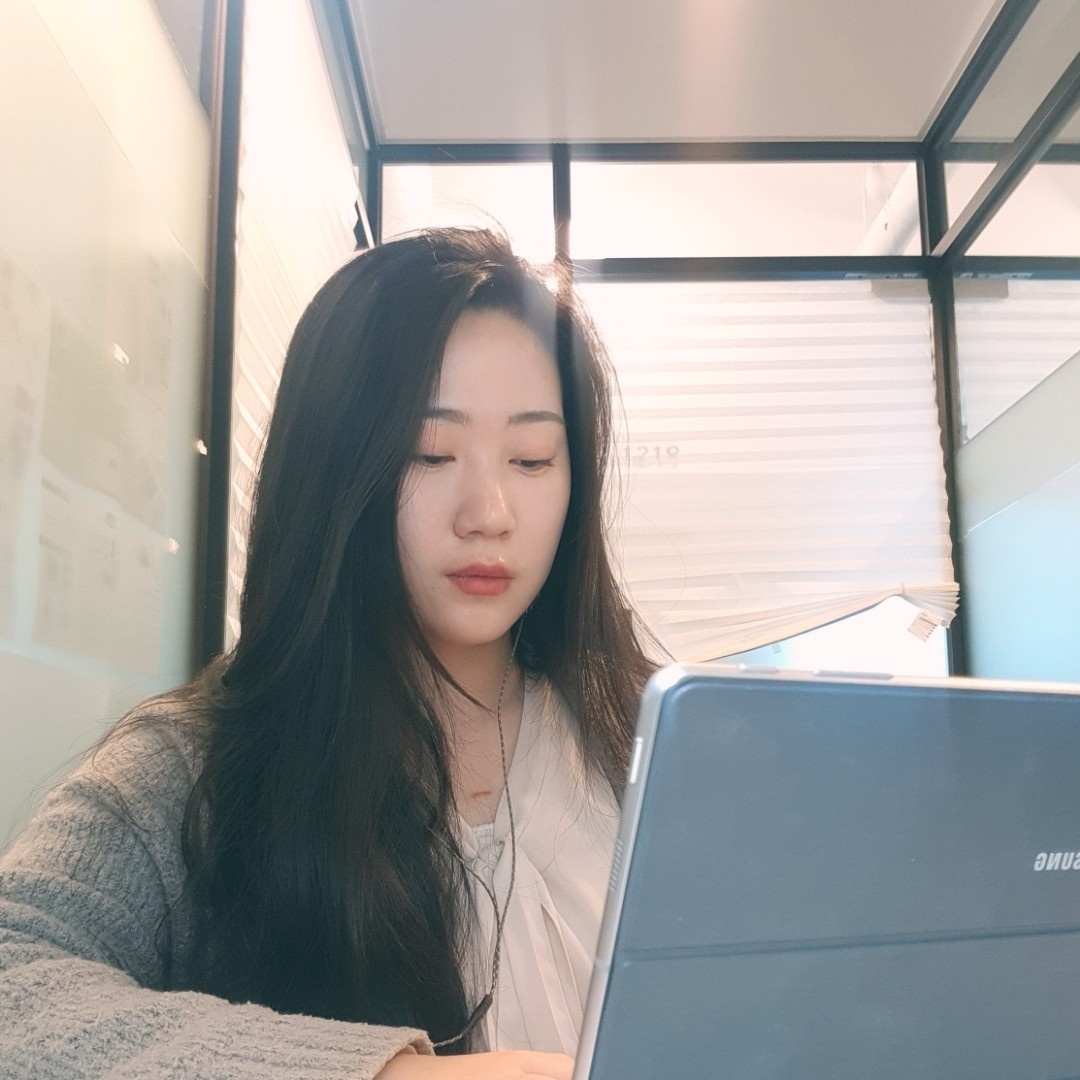
Kim Sol-nim, 33, writes blogs for hospitals and law firms after returning home from her main job at around 6 p.m. She spends one to four hours daily on side work, earning between 600,000 won and 800,000 won ($430-$575) per month as extra income.
She used to run an Airbnb and gave weekend lectures related to her current job in business with friends.
This does not mean that she plans to quit her main job anytime soon. Her main job provides health insurance, retirement benefits and job stability, which are benefits she is unsure her freelancing income can offer long-term.
Kim considers herself an “N-jobber” — someone who has or is seeking to have multiple jobs.
“The biggest reason for having side jobs is money,” she told The Korea Herald. “My salary from my main job is not insufficient for my living expenses, but it’s nowhere near enough to buy a house in Seoul.”
She is one of many South Koreans who are taking on, or considering taking on, side hustles. For those interviewed by The Korea Herald, money was the top motivator, but workers also cited a desire to try new things and discover what they truly enjoy.
Experts say the trend is likely to accelerate amid soaring prices and growing job instability — a shift partly driven by rapid technological changes, including the rise of artificial intelligence.
Multiple surveys have shown that a growing number of salaried Koreans are engaging in side hustles.
According to a survey by the local classifieds outlet Flea Market in August, 82.1 percent of 1,327 salaried workers said they were either doing or considering side jobs. The top reason was low salaries (55.1 percent), and the most popular type of work was social media content creation, such as blogging or YouTube (20.2 percent), with average earnings of about 620,000 won per month.
A separate report by KB Financial Group in November found that 54.8 percent of 2,000 salaried workers were engaged in side jobs — up 12.8 percentage points from the same survey in 2022. The most common reasons included saving for emergencies (38.7 percent), using spare time (18.7 percent) and covering living expenses (13.2 percent).
Like Kim, many salaried workers find it hard to survive in Seoul, where consumer prices are high and housing costs are skyrocketing.
The average price of an apartment unit in July was 1.46 billion won, according to Real Estate 114. The average Seoul worker’s annual salary is around 48 million won. In a simple calculation, even saving an entire salary for 30 years would barely be enough to buy a home.
Lily, who asked to be identified only by her English name, also juggles multiple side hustles.
In her 30s, she has tried blogging, food delivery on foot and leading online group activities like book clubs through platforms such as Trevari.
“When I saw people earn a lot of money through stocks and coins, I always regretted not doing the same,” she said. “But I don’t have the courage to take that kind of risk. So I began having side jobs.”
“My main job is stable, but wage increases are minimal. Instead of switching jobs, I started side hustles,” she said.
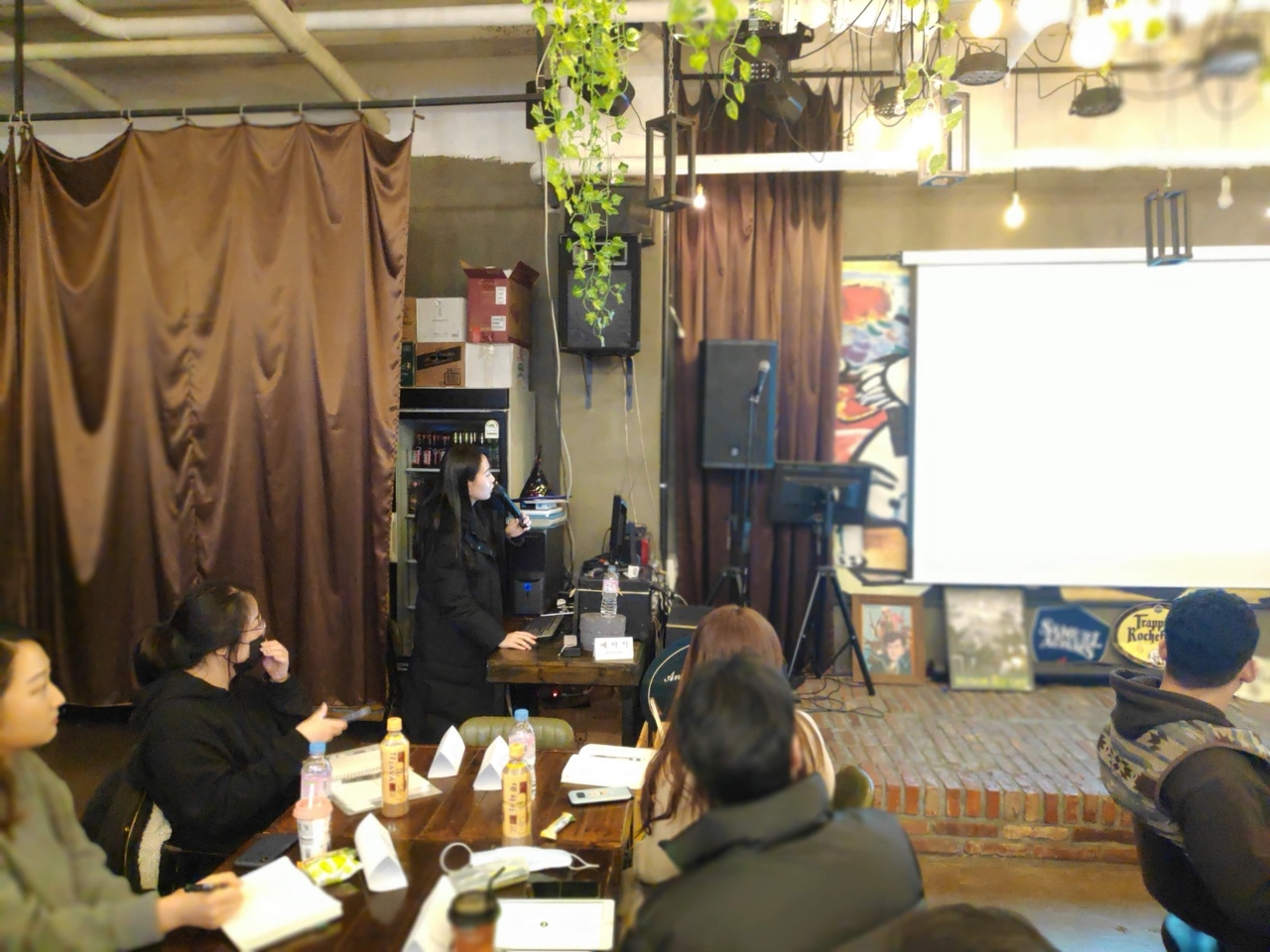
Some also take on side jobs to safely transition from an unsatisfying main occupation to another job they truly enjoy.