

mortgage and your pay
How the chancellor’s measures on tax, benefits and pensions will affect your personal finances
Healey offers £100 payment to households to help navigate ‘global economic storms’
Budget 2026: key points at a glance
Budget 2026 calculator: find out if you are better or worse off
Single
Graduate first job

Josh graduated two years ago from an English university and is back home in London. He earns £28,500, out of which he pays £3,186 in income tax and £1,274 in national insurance (NI) contributions a year. This results in take-home pay of £2,003 a month or £24,040 a year. Despite an outcry, the salary threshold for repaying his plan 2 student loan will remain frozen at £29,385 for three years from next April, so any pay rise is likely to trigger payments. Graduates must repay 9% of earnings over the threshold.
Single
Average earner
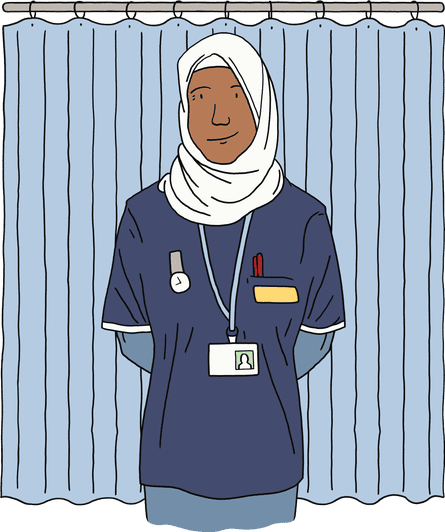
Layla earns the UK’s typical (median) wage of £41,000 as a nurse. She pays £5,684 in income tax and £2,274 in NI contributions. This results in take-home pay of £2,753 a month or £33,041 a year.
Traditionally income tax bands keep pace with inflation, but they have been frozen until 2031. This means a greater proportion of pay is taxed than would otherwise be expected.
With no changes to the “big three” – income tax, NI and VAT – her finances will look much the same in 2027.
She qualifies for the £100
