

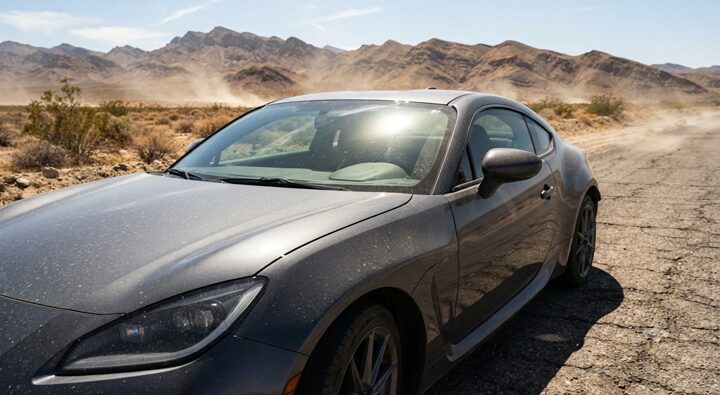
Summer in the Las Vegas Valley isn’t just uncomfortable for people. It’s punishing for cars. When the thermometer sits at 110°F or higher for weeks at a time, the parts under your hood are doing work most vehicles were never really built to handle for months on end. Knowing what that heat actually does, and what it costs when you ignore it, can save you a roadside breakdown, or worse, a wreck.
The Battery Is Usually the First Casualty
Car batteries hate heat property damage. That’s enough to stay street-legal, but it can get eaten up fast in a multi-vehicle pileup caused by a blown tire on a crowded stretch of the Strip corridor or I-15, which is a big reason many drivers carry higher limits than the state requires.
It’s also worth checking what a policy actually covers if a heat-related failure leaves you stranded. Standard liability coverage won’t pay to tow your own car or replace a battery that simply gave out; that falls under roadside assistance or comprehensive coverage, if the policy has it. When comparing quotes, it’s worth asking specifically what’s included for breakdowns, since drivers shopping for
<p>Extreme heat doesn’t wreck a car all at once. It wears things down gradually, in ways that are easy to ignore until something fails at the worst possible time. A few basic checks before summer peaks, and a policy that actually matches how you drive, go a long way toward keeping a 115-degree afternoon from turning into an expensive one. For more on Nevada’s insurance requirements or to check a company’s license, the
