Mortgage interest rates are a smidge higher this morning as Wall Street regains some of its confidence in tech.
The average interest rate on a 30-year, fixed-rate mortgage rose to 7.23% APR, according to rates provided to NerdWallet by Zillow. This is three basis points higher than yesterday but seven basis points lower than a week ago. (See our chart below for more specifics.) A basis point is one one-hundredth of a percentage point.
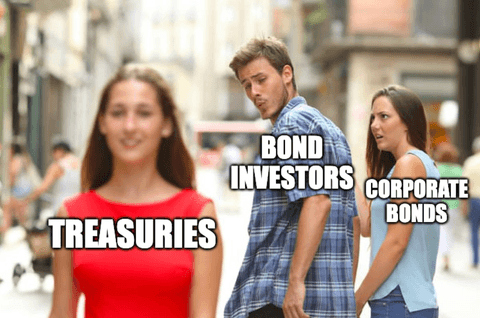
Mortgage rates had been moving lower as investor concerns about AI profits suddenly made bonds seem more appealing. Increased demand drove bond prices up and yields down, which also pulled down mortgage rates. How does any of that work, and how the heck are these things even related? Keep reading below the chart and I’ll explain the whole thing.
Average mortgage rates, last 30 days
» Take the next step:Compare mortgage rates from NerdWallet’s top lenders
🤓 Kate on Rates, 10/15/26
📈 What influences mortgage rates?
Mortgage rates are constantly changing, since a major part of how rates are set depends on reactions to new inflation reports, job numbers, Fed meetings, global news … you name it. For example, even tiny changes in the bond market can shift mortgage pricing.
Like I mentioned above, mortgage rates started edging lower last week as Treasury yields came down. Mortgage rates are generally benchmarked to the yield on 10-year Treasury notes, so where the yield goes, rates go, too.
The yield is basically the return investors get on a bond. A bond is a little piece of government or corporate debt; when an investor buys a bond, they’re making a tiny loan to the issuer. The issuer agrees to pay them back a set amount over the bond’s lifespan (that’s the yield), and when the bond matures, the investor gets the bond’s original price back. That’s why unlike anything-could-happen stocks, bonds are generally considered relatively low risk.
A bond investor who buys a bond at issuance knows immediately: Here’s my cost, here’s what I’ll earn and here’s when my initial <a s how that works. If you bought a $100 bond with $5 annual yield payments, that yield is 5%. But say you want to sell that bond but can’t find a full-price buyer; the best price you can get for it is $80. The annual yield payments are still $5, but since they're relative to that lower price, the yield is now 6.25%.