

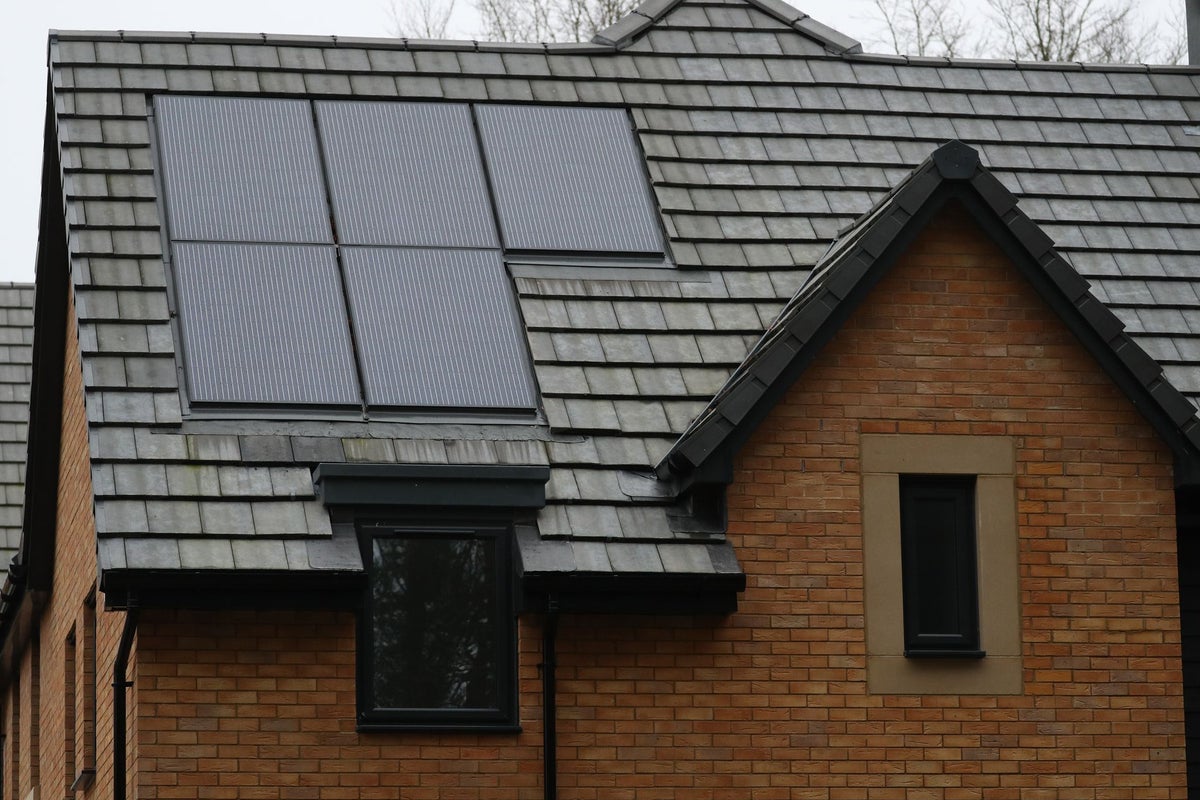
Solar panels are well known for their ability to generate electricity, reducing your need to buy power from the grid and cutting your energy bills. But they can also earn you money, thanks to the Smart Export Guarantee (SEG).
SEG is where energy make money with solar panels?
There are two distinct ways solar panels can improve your household finances. The first is how they let you create your own electricity instead of buying it from the grid.
A typical domestic solar panel installation of 10-12 panels might be capable of producing 4 kWh and generating roughly 3,500 kWh of electricity per year. According to Ofgem, the typical median-use home uses 2,500 kWh of electricity per year.
That’s less than the potential annual generation of a solar system, but since solar panels don’t generate electricity at night and perform less well on cloudy days, during those hours electricity will still be purchased from the grid. Solar power can be stored in a battery to help out here, but we’ll come back to that later.
In short – with solar panels generating electricity during the day, your household can purchase less energy from the grid, therefore lowering your electricity bill.
The other way solar panels can improve your finances is by selling unused electricity to the grid. This is where the Smart Export Guarantee comes in, which dictates how much each kWh of solar-generated electricity is sold for.
If you’re at work and the household is unoccupied during the day, it’s likely that more electricity is being generated by your solar panels than the house needs. The surplus is then automatically exported to the grid, earning you an income.
How much money can I make from solar panels?
Right away, it is important to say this is money earned, not profit. Installing a solar panel system can cost anywhere between £2,500 and £15,000, with the average being around £7,600, so you’re only really in profit once that has been paid off. According to
<p>As a rough example, a typical 4kWp solar panel system might generate around 3,000kWh of electricity a year, according to
